Truck Bed Liner Maintenance: How to Clean, Protect and Repair Your Liner

A bed liner only protects your truck while the liner itself is in good shape. Dirt that packs into corners, water that sits under a loose liner and small cracks that nobody notices are what turn a good liner into a rust problem. Good truck bed liner maintenance takes about fifteen minutes a season, and the steps depend on the type of liner you own.
This guide covers all four common types: spray-on, drop-in, bed mats and DIY brush-on or roll-on coatings. It also covers stains, repairs, cargo habits that protect the surface and the signs that it is time to replace the liner.
Why truck bed liner maintenance is worth the time
The bed of a pickup takes more abuse than any other part of the truck. It sees gravel, tools, wet lumber, road salt, fuel cans and the occasional dropped engine part. A liner spreads that damage across a tougher surface, but it also hides the metal underneath, so problems stay out of sight until they are large.
Maintenance has three jobs. First, keep grit and moisture from sitting against the liner or the paint beneath it. Second, catch damage while it is still a small repair. Third, keep the surface working as designed: grip for spray-on and rubber liners, drainage for ribbed mats, and a tight seat for drop-in units.
None of this needs special equipment. A soft brush, a hose, mild soap, a bucket and a flashlight cover most jobs. The expensive mistakes come from the opposite direction: harsh solvents, a pressure washer held too close, and ignoring a gap that is trapping water.
Identify your liner type before you clean
Different liners fail in different ways, so start by knowing what you have.
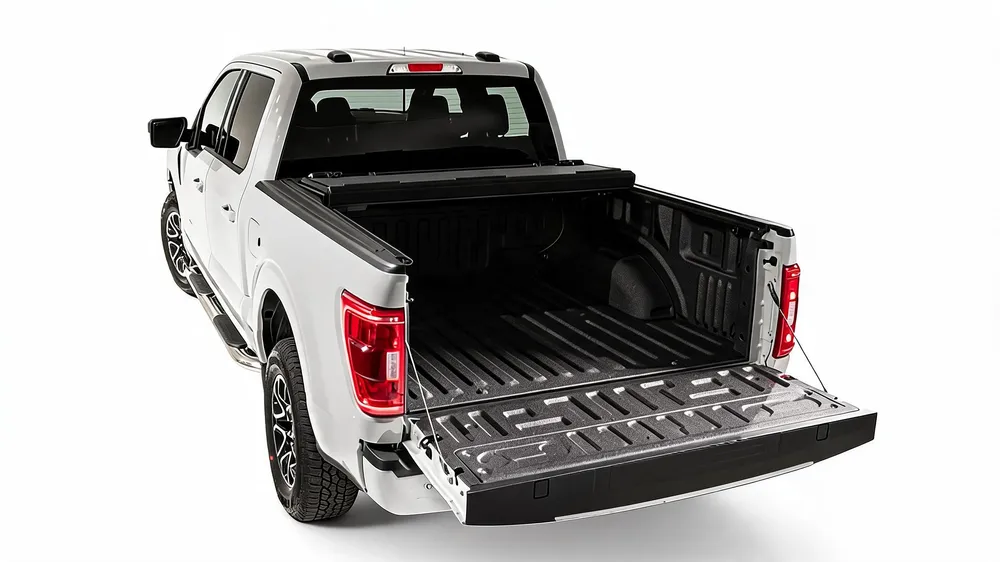
- Spray-on: a coating bonded to the bed metal. It cannot be removed and has no seams. Examples in our shop are the LINE-X Standard spray-on liner at $636.99 and the Rhino Linings Premium liner at $587.99.
- Drop-in: a rigid plastic tray that sits in the bed. The Penda Pendaliner under-rail liner at $358.99 is a drop-in made for the Chevrolet Colorado and GMC Canyon.
- Bed mat: a removable mat over the floor, such as the WeatherTech TechLiner at $195.99 or the LASFIT TPE mat at $126.99.
- DIY coating: a brush-on or roll-on rubber coating you apply yourself, like the Herculiner Brush-On Kit at $97.99.
If you are not sure, tap the surface. A coating sounds dull and solid. A drop-in tray sounds hollow and can be lifted at the corners. A mat can simply be pulled out. If you are shopping rather than maintaining, our comparison of spray on bedliner vs drop in explains the trade-offs in detail.
How to clean a spray-on bed liner
Spray-on liners are the easiest to look after because there is nothing to remove and no gap for water to hide in. The LINE-X page lists its polyurea formula as having excellent UV stability, so fading and chalking are not the usual concern. Dirt trapped in the texture is.
- Empty the bed and sweep out loose gravel and leaves.
- Wet the surface with a hose and spray into the corners and along the bed rails.
- Scrub with a stiff nylon brush and warm water mixed with a mild car-wash or dish soap. Work along the texture, not just across it.
- Rinse until the water runs clear, and leave the tailgate down so the bed dries.
A pressure washer is fine if you keep the nozzle moving and stay a safe distance back, about a foot or more. A tight, close jet can lift the edge of a coating where it meets a bolt hole or a trim line. Skip wire brushes and strong solvents. If the surface looks dull, check the liner maker's care page before using any protectant. The Rhino Linings website is the right place to confirm what its dealers recommend for their formulas.
Caring for a drop-in bed liner
A drop-in liner needs the most attention, because the bed underneath is hidden and the gap between tray and bed collects water, dirt and grit. Rubbing between the tray and the paint can also wear through the finish over time.
Every three to six months, or after a season of heavy use, lift out the liner. Most trays come out once you release the bolts or clips, and a helper makes it easier. Then:
- Wash and dry the bed floor, walls and rails completely.
- Look for rust blooms, scratched paint and shiny rub marks. Treat bare metal with a rust converter and touch-up paint.
- Rinse and scrub the liner itself, including the underside, and let it dry before it goes back in.
- Check for cracks, warped corners and a loose fit at the bulkhead. A liner that rattles is rubbing.
Never leave wet cargo, such as firewood, a wet tarp or mulch, sitting in a drop-in liner for days. The water drains under the tray and stays there. If you wash the bed with the liner in place, dry the gap afterward with a towel and a leaf blower.
Caring for bed mats
Mats are the simplest to clean because they come out of the truck. The WeatherTech TechLiner is high-density polyethylene with raised ribs that keep cargo above water and debris, and the product page describes it as easy to clean by removing and rinsing. The LASFIT mat is thermoplastic elastomer with raised edges that channel liquids away from the bed metal, and the page lists shaking it out or hosing it down.
A routine that works for both types:
- Pull the mat out and shake it to clear dirt.
- Hose down the bed floor and let it dry before you replace the mat.
- Scrub the mat with mild soap and a soft brush, rinse and air dry.
- Check the edges for curling and the surface for cuts.
Carpet-type mats need a slightly different method. The BedRug XLT at $224.99 is foam-backed polypropylene carpet that is water-resistant and drains through. Vacuum it, spot-clean with a mild cleaner, rinse and let it dry fully in the sun before it goes back in, so the foam backing does not hold moisture against the bed.
The most important habit with any removable mat is to wash the bed beneath it a few times a year. Sand and moisture trapped under a mat act like sandpaper and a sponge at the same time.
Maintaining DIY brush-on and roll-on coatings
DIY coatings are tough, but they are thinner than a professional spray job, and a scrape through to metal is where rust starts. Keep a small amount of the original product, sealed and stored indoors, for touch-ups.
For routine care, wash as you would a spray-on liner with soap, water and a soft brush. For a worn patch, follow the same prep each maker lists on its product page. The Herculiner kit is a textured rubber coating that dries in 24 hours, and its kit includes an abrasive pad, which is what you use to scuff the old surface before recoating. The Rust-Oleum Truck Bed Coating Kit at $87.99 is touch-dry in 2 to 4 hours, so it suits small patches. The DuraBak 18 gallon at $136.99 is an outdoor textured coating sold by the gallon, and the U-POL Raptor kit at $136.99 is a two-part urethane kit that lists 24 hours for light use and 72 hours for full cure.
A basic patch repair goes like this: clean the area, remove loose and peeling edges, scuff the surrounding coating, wipe with a suitable cleaner, mask the repair zone and apply thin coats. Thin coats cure better than one thick coat. For the specific cleaner, scuff grit and temperature range, read the instructions for your product, and check them against the maker's site such as Herculiner. Always wear gloves and eye protection, and work with good ventilation.
Removing stains, oil and odors
Most bed stains are one of four things: oil and grease, fuel, paint or fertilizer and other chemicals. Treat them quickly, because the longer a spill sits, the more it works into a textured surface.
- Oil and grease: blot first, then scrub with warm water and degreasing dish soap. Rinse well so no film remains.
- Fuel: absorb with cat litter or a shop towel, wash with soap and water and let the bed air out. Dispose of the saturated material according to local rules.
- Paint: wipe wet paint at once. Dried paint on a textured liner is best handled with a plastic scraper and a mild cleaner, not a hard solvent.
- Fertilizer and road salt: flush the bed with plenty of clean water. Salt that stays in corners is a common cause of rust at the edges.
For odors from game, fish or garbage, wash with soap, then a mix of water and white vinegar, rinse and leave the tailgate open to dry in the sun. If you carry strong chemicals or fuel regularly, consider a dedicated container with a lid. Our tie-downs and cargo nets help keep containers upright so they do not spill in the first place.
Seasonal bed liner care checklist
Use this simple schedule. It takes about fifteen minutes and covers each liner type.
| Task | Spray-on | Drop-in | Mat | DIY coating |
|---|---|---|---|---|
| Sweep and rinse | Monthly | Monthly | Monthly | Monthly |
| Deep scrub with soap | Each season | Each season | Each season | Each season |
| Remove and wash the bed beneath | Not possible | Every 3 to 6 months | Every 3 to 6 months | Not possible |
| Inspect for cracks, lifted edges and bare metal | Each season | Each season | Each season | Each season |
| Salt rinse after winter | Yes | Yes, including under the liner | Yes, including under the mat | Yes |
After a winter on salted roads, do a full wash and dry. After a season of hauling dirt, mulch or gravel, do the same. If you tow in the rain or wash the truck often, increase the frequency of the under-liner checks, because that is where drop-in and mat setups hold water.
Spot damage early and repair it
Walk around the bed with a flashlight and look for a short list of warning signs.
- Bare metal or a thin patch: any shiny or dark metal showing through a coating needs a patch before rust starts.
- Lifted or peeling edges: usually near the tailgate, rails and bolt holes. Peeling is a bond failure, and the Rhino Linings premium liner page lists a lifetime warranty against peeling and delamination, so contact the installer rather than patching a warranty issue yourself.
- Bubbles under a coating: trapped moisture or contamination under the film.
- Cracks in a drop-in tray: especially at corners and wheel wells.
- Orange stains under a mat or tray: rust has already started and the bed needs to be treated.
For small rust spots, remove loose rust, apply a converter or primer, then touch up with paint or the original coating. For larger areas, a shop repair costs less than letting the panel rot. If you are unsure how bad a spot is, email us at info@truckbedshop.com with a photo and your truck details and we will point you to the right product.
Habits that protect the liner between cleanings
A few habits do more than any product.
- Load carefully. Lift heavy items instead of sliding them, especially over the tailgate edge and wheel wells.
- Secure cargo. Cargo that slides around scrapes the surface. Use ratchet straps, nets or tie-down points, such as the ratchet strap 4-pack.
- Do not trap water. Wet loads belong on a mat with drainage or a ribbed floor, not sealed under a tarp for days.
- Protect the tailgate. A dedicated tailgate mat, like the Husky Liners Guardian tailgate mat, prevents wear in the spot that takes the most sliding.
- Add a cover. A tonneau cover keeps rain, snow and sunlight off the liner and the cargo. Browse tonneau covers if your bed is open all year.
Also watch weight. Extra cargo you carry around every day costs fuel, and the U.S. Department of Energy covers this in its fuel economy driving tips. Clearing the bed during routine cleaning is a good time to remove anything that does not need to be there.
When to replace a liner and what to buy
Replace a liner when cleaning and patching no longer protect the metal. For a spray-on liner, that means widespread peeling or bare metal. For a drop-in, it means cracks, warping or a fit that rattles and cannot be fixed with new hardware. For a mat, it means curled edges, cuts or a surface that no longer grips. Condition and your use, not age alone, decide.
When you replace, consider how you use the truck. A full spray-on liner from LINE-X or Rhino Linings suits a truck that works hard and stays with you. A mat from WeatherTech suits a daily driver where you want to wash under the liner. A DIY coating is a good way to refresh an older bed on a budget. Browse the full bed liner collection or the truck bed mat range, and see our best truck bed mats 2026 picks if a removable liner is next.
Orders start at $300. Shipping is free to the US and Canada on orders of $1,000 or more and a flat $100 below that, added to the invoice. Most orders dispatch within 2 business days, and unused items in original packaging can be returned within 30 days. We are open Mon to Fri 8 am to 6 pm and Sat 12 pm to 6 pm, closed Sunday, and email help is at info@truckbedshop.com.
Frequently asked questions
How often should I clean my truck bed liner?
Sweep and rinse it monthly and give it a soapy scrub each season. Do a full wash after winter road salt or heavy dirt hauling.
Can I use a pressure washer for truck bed liner maintenance?
Yes on most liners, if you keep the nozzle moving and stay about a foot back. A close jet can lift coating edges or push water under a drop-in.
How do I clean a spray on bed liner?
Wet it, scrub with a stiff nylon brush and mild soap along the texture, then rinse until the water runs clear and let it dry.
Do I need to remove a drop-in liner to clean it?
Yes, every three to six months. Water and grit collect between the tray and the bed, so wash and dry the bed, check for rust and rinse the liner underside.
What is the best way to remove a bed liner stain?
Act fast. Blot oil or fuel, wash with warm soapy water and rinse. Avoid hard solvents on textured liners, and try a plastic scraper on dried paint.
Further reading
Ready to upgrade your truck bed?
Browse covers, liners, toolboxes and accessories with free shipping over $1,000 to the US and Canada.


Related buying guides
Chevy Silverado Truck Bed Liner: Types and FitRAM 1500 Truck Bed Liner: Types, Fit and PricesTruck Bed Cargo Management Guide 2026