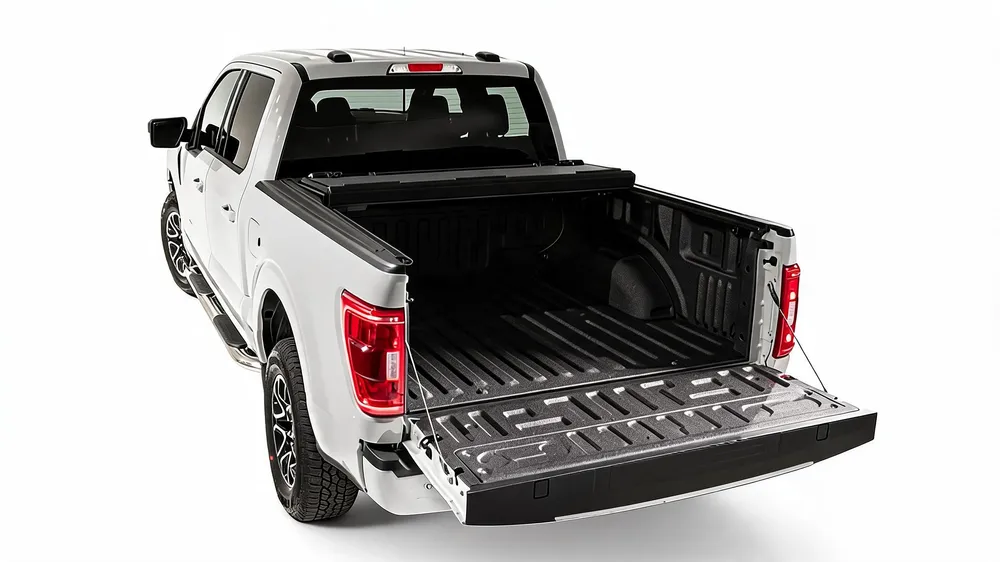
How to Install a Tonneau Cover: Step-by-Step Guide 2026
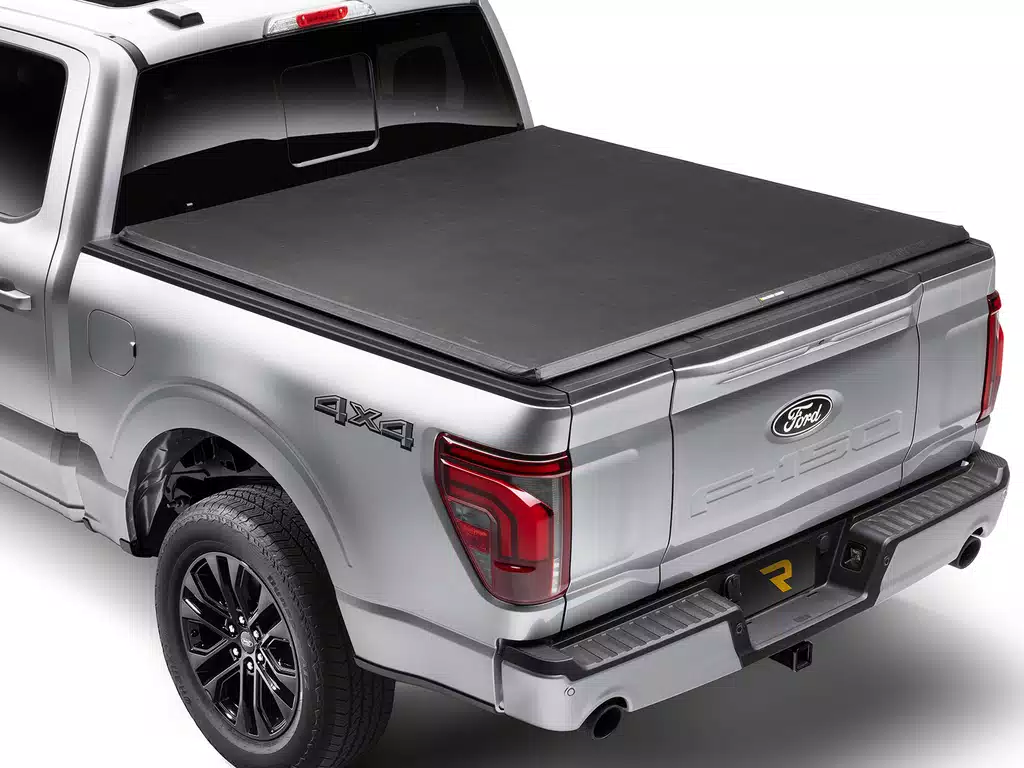
Learning how to install a tonneau cover is easier than most owners expect. Most modern covers clamp to the bed rails with no drilling, and the listed install times in our shop run from about 20 minutes for a soft roll-up to about an hour for a retractable cover. This guide gives the full sequence, then covers what changes for each cover style, the mistakes that cause leaks and the checks to run before you drive.
Tools and prep before you start
For most clamp-on covers you need a tape measure, a rubber mallet, a clean rag, isopropyl alcohol and a socket set. Some covers need no tools at all. The TruXedo TruXport soft roll-up cover uses an EZ-clamp system that needs no drilling and no tools, and it is listed at about 20 minutes. The Extang Solid Fold ALX uses an EZ-Lock system that installs tool-free in about 30 minutes.
Before you open the box, do three things. First, check that the part matches your truck: model year, cab style and bed length. If you are unsure, email info@truckbedshop.com and we confirm the fit before you pay, because a cover for the wrong bed will not seal. Second, unpack the cover and lay out every clamp, bolt and seal against the parts list. Third, choose a dry, shaded day and a flat spot. Adhesive seals and vinyl both behave better at moderate temperatures, and you do not want to hold a heavy hard cover in a stiff wind.
Read the manufacturer's sheet for your exact cover. Brand sites such as TruXedo and Extang publish instructions and parts help, and the sheet in the box always wins over general advice.
Step 1: Clean the bed rails
Wipe the top and inside faces of both bed rails with isopropyl alcohol and a clean rag. Wax, road film and old adhesive stop clamps and seals from gripping, and a poor surface is a common reason covers leak or shift after a few weeks. If the rails have a factory cap or a bed rail protector, check whether the cover instructions tell you to remove it.
Also look at the tailgate seal area and the bulkhead. Remove stones, leaves and loose debris from the bed floor so nothing is trapped under panels or the canister. If you have a drop-in liner or bed mat, make sure it does not ride up over the rail where the clamps sit.
Step 2: Position the cover
Lay the folded or rolled cover across the front of the bed, aligned with the cab end. Measure from each side rail to the cover edge to confirm equal spacing. Check that the cover sits square and that the rear edge clears the tailgate. A cover that is one inch off at the front can end up several inches off at the rear, so take the time to set it properly before you tighten anything.
With hard covers, keep the panels closed while you position them. With soft roll-up covers, leave the cover rolled and unroll it only once the front rail is seated. Retractable covers differ: the canister goes in first, so skip to the retractable section below before you start.
Step 3: Attach the clamps
Slide the clamps under the bed rail from the front to the back, following the order in your instructions. Hand-tighten each clamp until all of them are positioned. Do not fully lock any clamp yet. Clamping one end tight before the others are placed pulls the cover out of square and makes the last clamps hard to seat.
Check that each clamp pad sits flat against the underside of the rail and that rubber or nylon pads, if supplied, are in place. These pads protect the bed paint. If a clamp does not reach, do not force it. Re-check that the cover is square, then email us with a photo so we can sort out the right hardware.
Step 4: Tighten and test the operation
Tighten all clamps fully and evenly, working from the front to the rear and then repeating the sequence once. Then open and close the cover several times. A soft roll-up should roll without dragging. A hard folding cover should fold flat and prop up without binding. Check that the tailgate seals properly on both sides and that the latch closes without pushing down on the cover.
If the cover is hard to operate, loosen the clamps slightly and re-square it. Binding after installation almost always comes from a cover that is a little out of square, not from a defective part.
Step 5: Adjust tension, seals and drains
Soft roll-up covers such as the Tonno Pro Lo-Roll have rear tension adjusters. Tighten them until the cover lies flat without sagging, but do not overtighten, because vinyl that is stretched too hard wears faster at the seams. The Tonno Pro is listed at about 25 minutes to install with a perimeter weatherproof seal.
Hard covers and retractables rely on seals and drains. Make sure every seal is seated, and make sure the drain tubes, where fitted, are routed down and clear of the frame. Water that gets past a hard cover is meant to run out through those tubes, so a kinked or blocked tube turns a small leak into a wet bed.
Step 6: Run a water and road test
Before you load anything, hose the cover for a couple of minutes, then open it and check the bed for water. Run a hand along the seals and the front bulkhead edge. If you find moisture, note where it came from, close the cover and look for a gap at the seal, an unseated clamp or a twisted panel.
Then take a short drive at highway speed and listen for flutter, rattles or wind noise. Re-tighten the clamps after the first drive, because the cover and the rails settle slightly. Tighten again after the first week. It is a five-minute check that prevents most problems.
Installing a soft roll-up or soft tri-fold cover
Soft covers are the easiest to install and are listed with the shortest times: about 20 minutes for the TruXedo TruXport, about 25 for the Tonno Pro Lo-Roll and about 30 for the Tyger Auto T3 soft tri-fold cover. All three clamp on with no drilling. One person can usually do the job alone because a soft cover is light.
The main watch points are alignment at the front rail and tension at the rear. If the cover is crooked at the cab end, the seams will pucker. The Tyger T3 costs $264.99 and the TruXport costs $342.99, so remember our $300 minimum order if you plan to order a cover on its own. You can compare both on our soft tonneau covers page.
Installing a hard folding cover
Hard folding covers are heavier and bulkier, so a second person helps when you lift the cover onto the rails. The BAKFlip MX4 hard folding cover is a no-drill clamp-on cover listed at 30 to 45 minutes. The UnderCover Flex is also a clamp-on, no-drill install listed at under an hour. The Extang Solid Fold ALX uses an EZ-Lock system that goes on without tools.
With a hard cover, test the prop-up mechanism and the tailgate latch before you tighten the last clamps. Make sure the panels fold flat without scraping the bed rail paint. If you plan to add a crossover toolbox, install the box first and check the clearance before the cover goes on, which is easier than moving a heavy cover afterward. Our guide to the fold up truck bed cover options explains how the panels differ between brands.
Installing a retractable or powered cover
Retractable covers install the canister first. The canister mounts at the front of the bed and everything else aligns to it, so follow the torque and spacing instructions exactly. The Retrax PRO MX retractable cover is a no-drill install listed at about 60 minutes. The Roll-N-Lock M-Series XT is no-drill on most trucks, but some trucks need minor drilling, so confirm your year first.
A powered cover adds an electrical connection. The Westin powered electric retractable cover for the F-150 uses a push button and a remote key fob, and it has anti-pinch sensors and a manual override. Follow the Westin instructions for the wiring and power connection. We do not list an install time for it on the product page, so email info@truckbedshop.com with your truck details if you want help planning the job. Retractable covers are easier with two people, and a rushed install is the most common cause of a cover that jams.
Common installation mistakes and how to fix them
The most common mistake is skipping the rail cleaning step. A waxed or dirty rail will not hold clamps, and the cover shifts. The second is tightening clamps in the wrong order, which leaves the cover out of square. The third is ignoring the drains: blocked or kinked tubes cause water in the bed, even when the cover is fine.
Other common problems include over-tensioning soft covers, forgetting to re-tighten after the first drive and mixing hardware from another cover. If a cover rattles, check the clamps first and then the prop rods. If it leaks at the front, check the bulkhead seal. If it will not latch, re-square the cover before you adjust the latch. If you are stuck, send us a photo and the cover name, and we will help you diagnose it.
Care after installation
Once the cover is on, a little care keeps it working. Wash it with mild soap and water. Avoid pressure washing the seals at close range. Clean drain tubes every season, and wipe seals with a damp cloth. Re-check clamp tightness every few months and after any off-road trip. For soft covers, avoid leaving heavy snow on the cover for long periods, and for hard covers, do not stand on panels unless the product page lists a load rating that allows it.
If you also run a bed liner or mat under the cover, keep the bed itself clean and dry. Our bed liner maintenance guide covers that side of the job.
Which cover is easiest to install
Listed install times from the product pages: the TruXedo TruXport is about 20 minutes, the Tonno Pro Lo-Roll about 25, the Extang Solid Fold ALX about 30, the Tyger T3 about 30, the BAKFlip MX4 30 to 45 and the Retrax PRO MX about 60. Soft covers win on speed and hard folding covers are close behind. The right choice is not only about install time, though. If you are still deciding between styles, read hard vs soft tonneau covers, then compare options in the tonneau cover collection.
Frequently asked questions
How long does it take to install a tonneau cover?
Tonneau cover installation time depends on the style. Our product pages list about 20 minutes for the TruXedo TruXport, about 30 minutes for the Tyger T3 and Extang Solid Fold ALX, 30 to 45 minutes for the BAKFlip MX4 and about 60 minutes for the Retrax PRO MX.
Do I need to drill holes to install a tonneau cover?
Most covers we sell are no-drill, clamp-on designs, including the TruXport, Tyger T3, BAKFlip MX4 and Retrax PRO MX. The Roll-N-Lock M-Series XT is no-drill on most trucks, but minor drilling is needed on some, so confirm your model year with us.
Can I install a tonneau cover by myself?
Often yes. A soft cover is light enough for one person. A hard folding or retractable cover is heavy and awkward, so a second person makes it safer for you and the cover. You can install a tonneau cover alone if you take your time with alignment.
Why does my tonneau cover leak after installation?
A tonneau cover that leaks after install usually has an unclean rail, a crooked cover, an unseated seal or a blocked drain tube. Re-clean the rails, re-square the cover, check every seal and clear the drains, then retest with a hose.
What tools do I need to install a tonneau cover?
Some covers need no tools, such as the TruXport and the Extang EZ-Lock system. For others, a tape measure, rubber mallet, socket set and isopropyl alcohol are enough. Check the manufacturer sheet for any extra tools your cover needs.
Further reading
Ready to upgrade your truck bed?
Browse covers, liners, toolboxes and accessories with free shipping over $1,000 to the US and Canada.