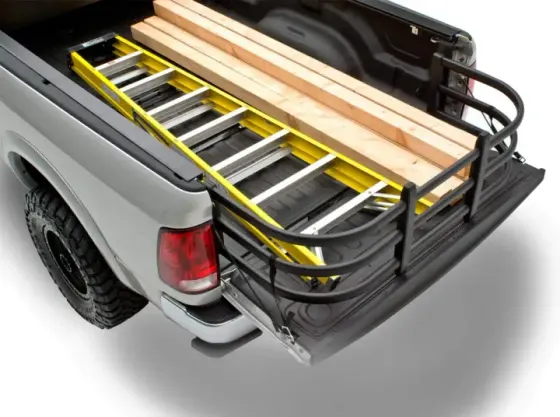
Bed Extenders
Bed Extender Pickup Truck Guide: Hitch Extenders, Kayak and ATV Options
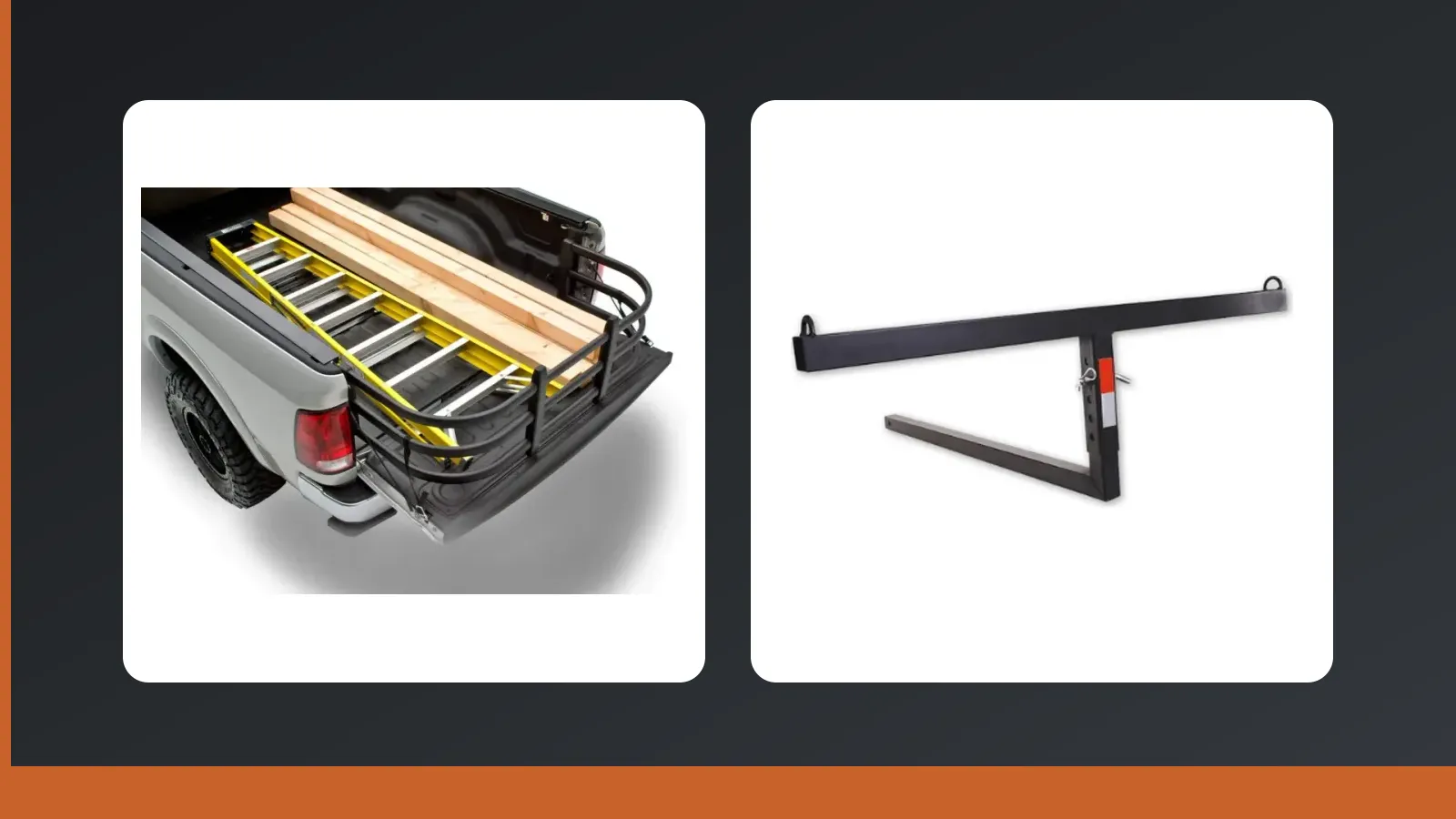
Quick answer: A bed extender pickup truck accessory adds length behind the tailgate, usually on the hitch receiver. Pick one by receiver size, load rating and tongue weight, and always flag overhanging loads.
A bed extender pickup truck accessory is the simplest way to carry long loads without buying a longer bed. A hitch bed extender slides into the receiver and gives you a frame to rest lumber, ladders, kayaks and ATVs on. This guide explains the types, how to check fit, the limits and the safe way to use one.
We sell bed extenders and answer fit questions often. The sections below cover the details that decide whether an extender works for you.
How a bed extender works
A bed extender attaches to the hitch receiver and extends rearward, often with an adjustable arm. A cross bar or cradle sits at the end to hold the load. Some fold flat when not in use and some stay on as a rack. The truck bed carries part of the load and the extender carries the rest.
Because the extender sits at the end of a lever, tongue weight and load rating matter. Check the maximum weight and the receiver class.
Truck bed extender hitch types
Most extenders use a 2 inch receiver. A fixed extender has a fixed arm and costs less. An adjustable extender slides to different lengths and folds. A heavy-duty extender uses thicker steel and a higher rating. Some versions include a rack for kayaks and lumber.
The AMP BedXTender HD Max at $322.99 is a heavy-duty hitch option, and the Husky Towing Cargo Helper bed extender 944H at $150.99 is a lower-cost alternative.
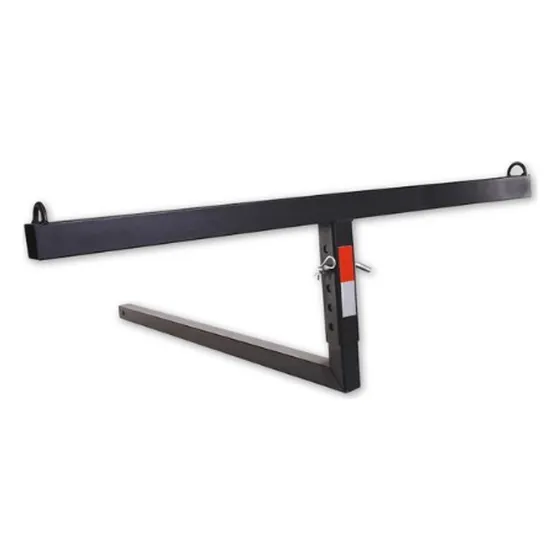
Husky
Husky Towing Cargo Helper Truck Bed Extender 944H
$150.99
Ships within 2 business daysView detailsLund truck bed extender and other brands
Searches for a Lund truck bed extender usually mean a hitch extender from a well-known accessories brand. We do not stock Lund extenders, but the points to check are the same for every brand: the receiver size, the load rating, the arm length and the way it locks.
Compare features, not names. A well built extender from any brand with the right rating works, and a poorly built one does not.
Truck bed extender for ATV and powersports
A truck bed extender for ATV use needs to carry a heavy machine, often 400 to 700 pounds, so check the rating first. Many extenders are rated for lumber and kayaks, not ATVs. For heavy machines, use loading ramps and a strong extender, or choose a longer bed or a trailer.
A set of ramps such as the 7.5 ft folding aluminum truck loading ramps at $281.99 makes loading safer.
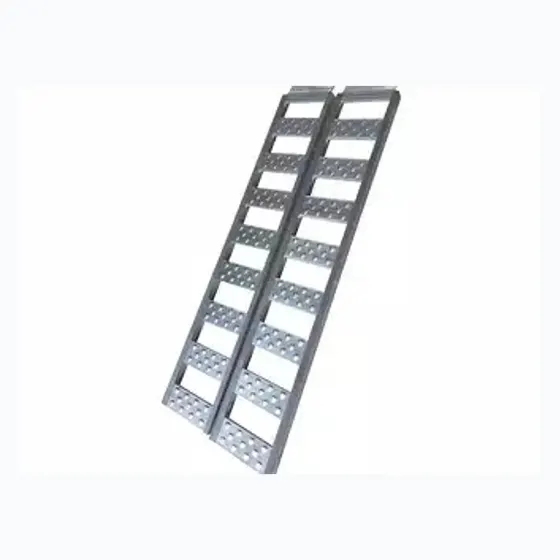
7.5
7.5 ft 1,500 lb Lightweight Folding Aluminum Truck Loading Ramps, 2-Piece
$281.99
Ships within 2 business daysView detailsTruck bed extender for 2 kayaks
Two kayaks can ride on an extender with cradles or foam blocks, and the best setup uses a bar across the bed rails as a second support point. Strap each boat down at both ends, tie the bow and stern lines to the truck and add a red flag on the end.
Weight matters less than length and wind. Check the length of your kayaks against the extender reach and state rules for load projection.
DIY truck bed extender
A DIY extender can be built from square steel tube and a receiver hitch, but welding and strength testing are not casual jobs. A failure at highway speed is dangerous. If you build one, use quality steel, weld properly or use bolted joints with high-grade hardware, and test it well under the expected load.
For most owners, a ready-made extender is cheaper than the time and risk of a DIY build.
Fit: receiver, tongue weight and clearance
Check the receiver size, the hitch rating and the tongue weight limit. The extender load adds leverage at the hitch, so a 200 pound load at the end can create a much higher force on the receiver. Check clearance for the tailgate and for the rear camera and sensors.
If you use a cover or cap, check that the extender does not hit them. See truck bed sizes for the typical bed lengths.
Safe loading, flags and lights
Flag every overhanging load with red cloth, and add lights if you drive at night. Strap loads at two points and add a tie-down at the extender end. Check your state rules for projection, because many require a flag at four feet or more.
Never exceed payload or the extender rating. The U.S. NHTSA has loading safety guidance.
Choosing between fixed and adjustable extenders
A fixed extender is simpler and stronger for its weight, but it gives you one length. An adjustable extender slides to match the load and often folds flat. The adjustment adds a joint, which can loosen, so check the pin and the locking mechanism each time you load.
If you carry the same long item most of the time, a fixed extender is enough. If your loads vary from ladders to kayaks to plywood, an adjustable model saves time.
Extender capacity: what the numbers mean
Ratings usually list a maximum load and a maximum tongue weight. The load rating is the weight the extender can carry at the end. The tongue weight limit is the weight the hitch can take. A load at the end of a lever puts far more stress on the receiver than the same load in the bed.
Stay well below both numbers. If you carry heavy items, put most of the weight in the bed and use the extender only for the overhang.
Using an extender with a tonneau cover or cap
A cover or cap changes how you use an extender. Most extenders need a clear bed above the tailgate, so the cover must be open or removed. A cap blocks the load path completely. If you often carry long items, choose a cover that opens fully, such as a hard folding or retractable model, or a rack that sits above the cap.
See tonneau covers and truck bed racks for options that work with long loads.
Maintenance and storage
Remove the extender when you do not need it, because it adds weight and can reduce ground clearance. Rinse it after salty trips, grease the pin and hitch ball and check welds and bolts for cracks.
Store it flat and dry. A rusty pin or bent arm will fail at the worst moment, so replace worn parts before you load.
Which loads suit a bed extender
A bed extender suits long, light loads. Lumber, ladders, pipe, kayaks and canoes sit well on an extender because their weight is spread across the bed and the arm. Heavy compact loads such as engines and tool chests belong in the bed, and a heavy ATV needs ramps and a proper tie-down plan or a trailer.
A useful rule is to place at least two thirds of the load length inside the bed and let only the remainder overhang. That keeps the center of gravity inside the truck and limits the stress on the hitch.
Setting up and strapping a load on an extender
Slide the extender into the receiver and fit the pin and clip. Set the arm to the length you need and lock it. Place the load with the heaviest end in the bed, then strap it at the bulkhead end, the tailgate and the extender cross bar. Add a strap at the free end if the load can lift in the wind.
Finish with a red flag on the end of the load and check every strap after the first few miles. Straps loosen as loads settle, and a quick check at a gas stop prevents most problems.
Legal limits for overhanging loads
Rules for overhanging loads differ by state, but most require a red flag or light once a load passes a set distance behind the vehicle, often four feet. Some states also limit total overhang. Check your state transport department for the exact rule before you travel.
Federal cargo securement rules apply to commercial vehicles and are published by the FMCSA. Private owners should follow the same principles: secure the load at multiple points and keep lights and plates visible.
Where to get help choosing an extender
If you are unsure which extender suits your truck, email info@truckbedshop.com with your year, make, model, receiver size and the loads you plan to carry. We reply within 24 hours and confirm fit before you order.
Buying checklist
Confirm receiver size, load rating, arm length, folding style, price and warranty. Check that the extender fits your truck and any cover or cap. If you need help, email info@truckbedshop.com with your truck details. See truck bed accessories for the range.
Frequently asked questions
What is a truck bed extender?
A hitch-mounted frame that adds length behind the tailgate so you can carry long loads.
Can a bed extender carry an ATV?
Only if it is rated for the weight. Many are rated for lumber and kayaks, so check the rating and use ramps.
Do I need a flag on an extended load?
Yes. Most states require a red flag on loads that extend past a set distance. Check your rules.
Can I make my own bed extender?
You can, but a failed weld is dangerous. A ready-made extender is usually the safer choice.
Does a bed extender need a 2 inch hitch?
Most do. Check the receiver size listed on the product.
Further reading
Ready to upgrade your truck bed?
Browse covers, liners, toolboxes and accessories with free shipping over $99 in the US.
Related buying guides
Truck Bed Steps: Tailgate Steps, Side Steps and Ladders ComparedCamping in a Pickup Truck Bed: Setup, Tents, Mattresses and IdeasBackroadz Truck Tent Full Size Bed: Sizing, Fit and What to CheckPickup Truck Bed Storage: Ideas, Boxes, Drawers and Waterproof OptionsPickup Truck Bed Rack: Types, Load Ratings and How to Choose the Right OneDIY Truck Bed Storage: Build Ideas, Plans and Materials for a Homemade Bed BoxBest Truck Bed Mats 2026: Custom-Fit and DIY