Winter Driving
Winter Weight in Truck Bed: How Much Weight to Add and How to Do It Safely
Quick answer: Many owners add weight over the rear axle in winter for traction, but the right amount depends on your truck and payload. Place it low and forward of the tailgate, secure it and never exceed the payload rating.
Winter weight in a truck bed is one of the oldest cold-weather tips. An empty pickup has little weight over the rear axle, so the rear wheels can lose grip on snow and ice. A load in the bed can help, but too much or the wrong kind is dangerous. This guide explains how much weight to put in a truck bed for winter, what to use, where to place it and the limits that matter, including payload and how much weight a truck bed can hold.
We are not a driving school, and every truck is different, so use this as a planning guide and follow your owner manual.
Why winter weight helps traction
Most pickups carry little weight over the rear axle when the bed is empty. On slippery roads the rear can step out, and the drive wheels spin. Extra weight over or just ahead of the rear axle presses the tires into the road and can improve traction on a rear-wheel-drive truck.
Four-wheel drive and good tires help more than weight, so treat ballast as a supplement. Winter tires, if you can fit them, often make a bigger difference.
How much weight to put in truck bed for winter
There is no single number. Many owners and some manufacturers suggest a few hundred pounds, often in the range of two to four hundred, but your truck and its payload decide the real limit. Check your owner manual and the door jamb sticker before you add anything.
Start low, test in a safe empty lot and adjust. More weight is not always better, because weight adds stopping distance and stress on the suspension.
How much weight can a truck bed hold
The bed itself can hold more than the truck is allowed to carry. The limit that matters is the payload rating on the door jamb sticker, which accounts for the axles, springs, tires and frame. How much weight can a truck bed hold in practice equals the payload minus passengers, fuel and gear in the cab.
Truck bed weight capacity differs by truck. Half-ton trucks often carry between roughly 1,000 and 2,000 pounds, midsize trucks less and heavy-duty trucks more, but check your own sticker. The U.S. NHTSA explains the ratings.
What to use as winter ballast
Good ballast is dense, compact, safe and easy to move. Sandbags and tube sand are common because the sand can also be used for traction. Concrete blocks and weight plates work but are hard on the bed and can shift. Avoid loose items like bags of salt that burst, and never use water or anything that can freeze solid and shift.
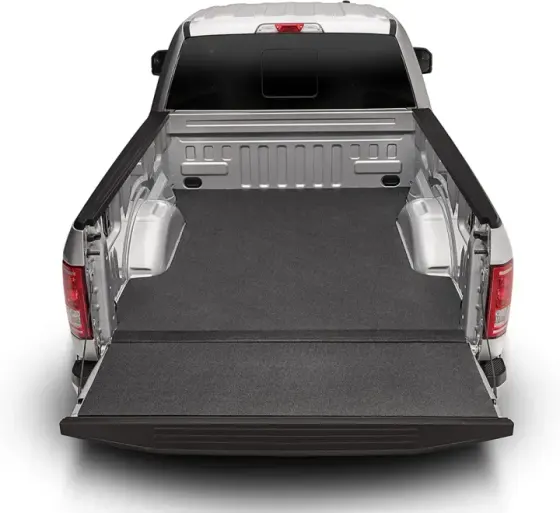
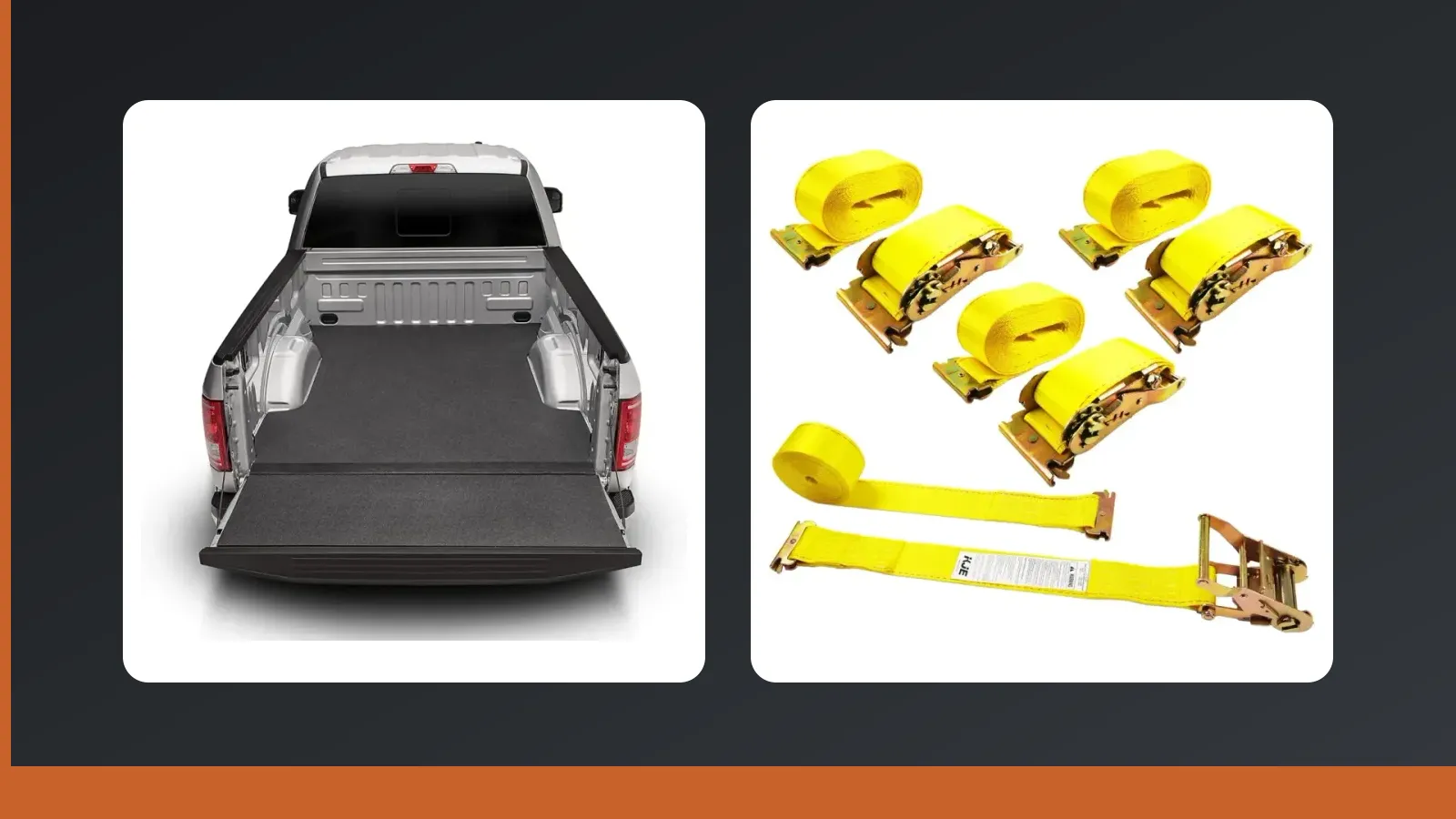
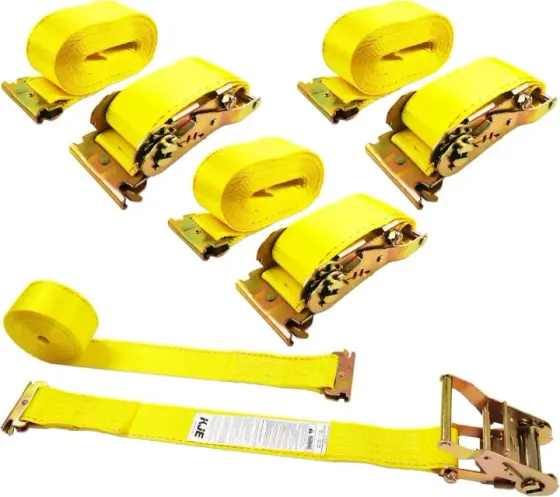
A BedRug BedTred Pro at $391.99 or other mat under the ballast protects the bed floor, and a ratchet strap 4-pack at $53.99 keeps it from sliding.
Where to place winter weight
Place weight over or just ahead of the rear axle, low in the bed and centered between the wheel wells. Weight at the tailgate acts like a lever and can unload the front tires, which hurts steering. Weight too far forward does little for rear traction.
Spread it evenly side to side. Strap it down so it cannot slide forward in a stop or sideways in a swerve.
Payload, braking and handling
Added weight increases stopping distance and changes handling. Leave extra space to the vehicle ahead, brake earlier and drive slower than normal in winter. A truck with a heavy load takes longer to stop, even on dry pavement.
Do not exceed payload. Add the weight of ballast, passengers, a cap or cover and any gear, and compare the total with the sticker.
Protecting the bed from ballast
Heavy ballast can dent and scratch the bed. Use a thick mat, a drop-in liner or a spray-in coating under the ballast. A mat such as the Dee Zee heavyweight truck bed mats is made for heavy use, and your truck bed protector options are covered in our truck bed protector guide.
Remove ballast in spring. Carrying it year-round wastes fuel and wears parts.
Other winter truck bed tips
Carry a shovel, a bag of sand, a tow strap, a blanket and a first-aid kit in winter. Keep them in a box or net so they do not slide. Keep the bed clear of snow before you drive, since snow adds weight and can fly off onto other vehicles.
If you use a cover, clear snow before opening it. Check your tires, brakes and wipers before the first snow.
Four-wheel drive, tires and weight
Four-wheel drive helps a truck accelerate on snow, but it does not help it stop or turn. Tires are the biggest factor, and winter tires or good all-weather tires make a large difference. Weight adds some traction, and it helps most on a rear-wheel-drive truck.
If you have 4WD and good tires, you may need little or no extra weight. If you have a rear-wheel-drive truck with worn tires, weight helps, but fixing the tires helps more.
Winter weight and fuel economy
Every extra pound costs a little fuel. A few hundred pounds of ballast reduces mileage a little, which is why many owners remove it in spring. Check your mileage with and without the weight and decide if it is worth it. The Department of Energy explains how weight affects economy.
If the weight does not clearly help your traction, take it out.
Moving and removing ballast
Sandbags are easy to move, but wet sandbags freeze and are hard to handle. Use heavy-duty bags, keep them dry and lift with your legs. Concrete blocks are heavier and need two people. Use a ramp or a lift if you have a bad back.
Remove ballast before you carry other loads. Ballast plus cargo can exceed payload faster than you expect.
Where to send winter bed questions
If you want help choosing a mat or tie-downs for winter ballast, email info@truckbedshop.com with your truck and bed length. We reply within 24 hours. Orders over $99 ship free in the US, most orders dispatch within 2 business days and unused items in original packaging can be returned within 30 days.
Common winter weight mistakes
People often put weight at the tailgate, which unloads the front tires and hurts steering. They use unsecured weights that slide, loose salt bags that burst or too much weight that overloads the axle. Others forget to remove the weight and then carry cargo on top of it.
Another mistake is relying on weight instead of tires. If your tires are worn, replace them first. Weight is a helper, not a fix.
Practice in a safe place
Before the first snow, find an empty parking lot with a little snow or ice. Test how the truck accelerates, turns and brakes with and without ballast, at low speed. Learn how the truck reacts and how far it takes to stop. That knowledge helps in a real emergency.
Never test on a public road. If a lot is not available, trust the numbers: leave a lot of room and drive slowly.
Emergency gear to keep in the bed
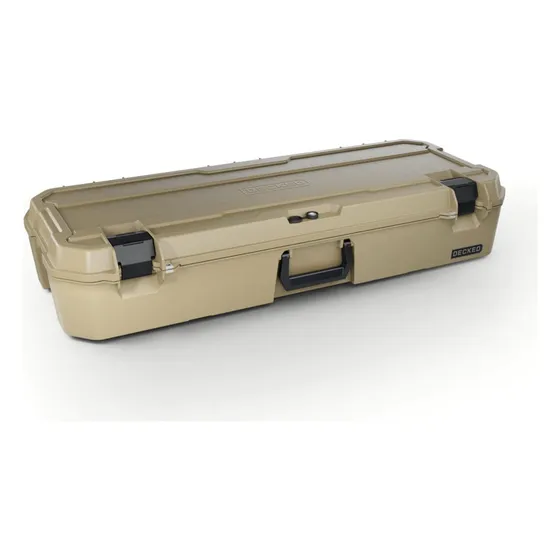
Pack a shovel, a bag of sand or kitty litter, a tow strap, jumper cables, a blanket, a flashlight, gloves and a first-aid kit. Keep them in a sealed case such as the DECKED Honcho 80 at $294.99 so they stay dry and reachable.
Check the kit every autumn. Replace batteries, restock supplies and make sure the tow strap is not frayed.
A final winter weight reminder
Stay inside your payload, place the weight low and forward, strap it down and drive slower. Tires and four-wheel drive matter more than ballast.
Quick winter weight tip
When in doubt, use less weight and better tires. Leave room to brake, and remove the ballast in spring.
Questions before you add winter weight
Ask what your payload is, how the weight will be secured, whether the bed is protected and how you will remove it. Check that your truck has four-wheel drive or good tires. If you are unsure, email info@truckbedshop.com with your truck and we suggest bed protection and tie-downs. Orders over $99 ship free in the US.
Frequently asked questions
How much weight should I put in my truck bed for winter?
Many owners use a few hundred pounds over the rear axle, but your payload and owner manual set the limit.
What is the best winter ballast?
Sandbags or tube sand, strapped down. Avoid loose or freezing material.
Where should I put weight in the bed?
Low, centered and just ahead of the rear axle, not at the tailgate.
How much weight can a truck bed hold?
It depends on your payload rating on the door jamb sticker, which includes passengers and gear.
Does winter weight replace winter tires?
No. Tires and four-wheel drive often help more.
Further reading
Ready to upgrade your truck bed?
Browse covers, liners, toolboxes and accessories with free shipping over $99 in the US.
Related buying guides
Are Truck Bed Covers Waterproof? Water Resistance, Seals and Waterproof StorageHerculiner Truck Bed Liner Kit: DIY Roll-On Liner Steps, Colors and TipsCost to Linex a Truck Bed: Spray-In, Drop-In and DIY Bed Liner Prices ComparedHow to Install a Canopy Over a Truck Bed: Truck Cap Steps, Tools and TipsSide Mount Tool Box for Truck Bed: Types, Sizes, Mounting Kits and What to BuyOverland Truck Topper: Caps for Camping, Gear and Expedition Builds ComparedHard vs Soft Tonneau Cover: Which to Choose